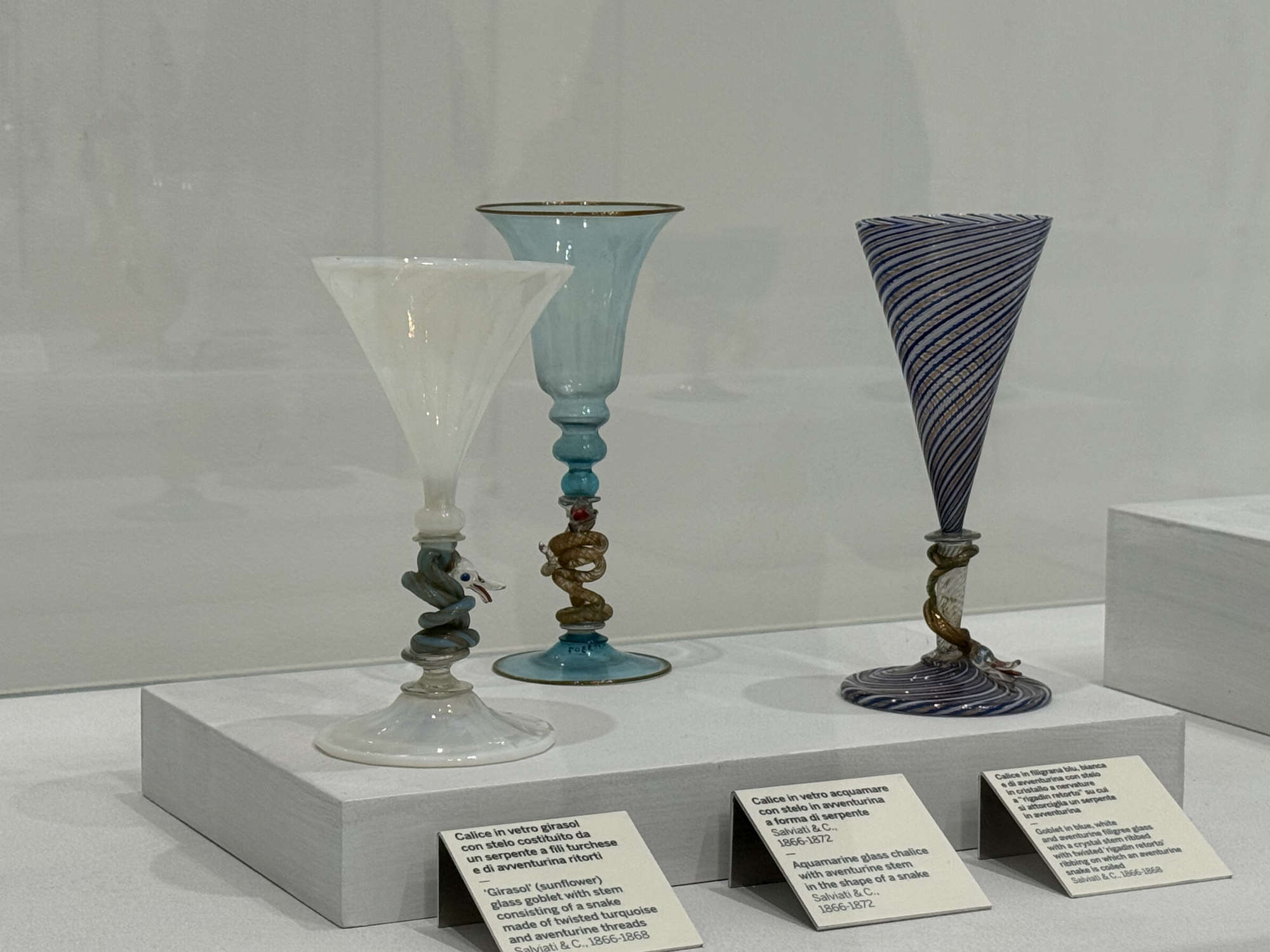
Historical Collection
This section features glass artifacts dating from the Roman era to the present day, showcasing the technical progression of Murano furnaces.
Observe how glass transparency and color techniques evolved over the centuries.

Murano sits 1.5 kilometers northeast of Venice, reachable only by water. The vaporetto network connects the main island to the glass-blowing workshops that have anchored here since the 13th century. This guide covers the lines, departure points and crossing times that get you there efficiently.
Quick answer
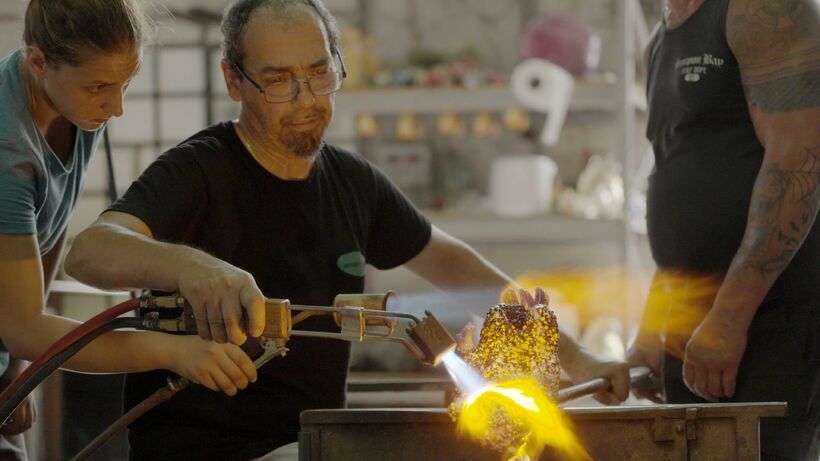
The glass blowing Venice island of Murano is accessible via ACTV vaporetto lines 3, 4.1, 4.2, 12, 13 and 18 from multiple Venice stops including Fondamente Nove, Piazzale Roma and the train station. Crossing time ranges from 7 to 42 minutes depending on your departure point and chosen line. Services run every 10 to 20 minutes throughout the day, with the 10:00–11:30 window offering the best balance of availability and crowd avoidance.
Murano has operated as Venice's industrial glass quarter since 1291, when the Republic moved all furnaces off the main island to contain fire risk. Reaching the glass blowing Venice island requires the ACTV vaporetto system, Venice's public waterbus network. Six lines serve Murano: lines 3, 4.1, 4.2, 12, 13 and 18. The fastest route departs from Fondamente Nove on the northern edge of Cannaregio, with line 4.1 or 4.2 delivering passengers to the Museo stop in under 10 minutes. Travelers arriving at Santa Lucia railway station can board line 3 directly for a 22-minute crossing, while those starting at Piazzale Roma face a 42-minute journey on the same line. Line 12 connects San Marco and the Lido to Murano in roughly 30 minutes, threading through the northern lagoon. Line 18, the fastest link from Fondamente Nove, reaches Murano Colonna in 7 minutes but skips the museum stop. The vaporetto system operates on timed intervals rather than continuous loops. Expect departures every 10 to 20 minutes depending on the line and time of day, with reduced frequency after 20:00. A single ACTV ticket costs 9.50 EUR and remains valid for 75 minutes from validation, covering multiple transfers within that window. Multi-day passes offer better value for visitors making several crossings. Ticket validation machines stand at every vaporetto stop; inspectors board randomly and fine undocumented passengers 60 EUR on the spot. Murano's five vaporetto stops distribute access across the island. Museo and Colonna serve the historical furnace district and the glass museum. Faro sits at the island's northwestern tip near the lighthouse. Navagero and Venier anchor the eastern residential zone. Most glass workshops and showrooms cluster within 400 meters of the Museo stop, making it the logical arrival point for first-time visitors focused on the craft tradition. Arriving between 10:00 and 11:30 ensures access to workshops as they open while sidestepping the mid-day tour groups that flood the fondamenta between 12:00 and 15:00.
“The Republic moved all furnaces to Murano in 1291 to contain fire risk, anchoring seven centuries of unbroken glasswork on a single island.”
Visitors can navigate through distinct historical periods and specific collections housed within the former bishop's palace.
This section features glass artifacts dating from the Roman era to the present day, showcasing the technical progression of Murano furnaces.
Observe how glass transparency and color techniques evolved over the centuries.
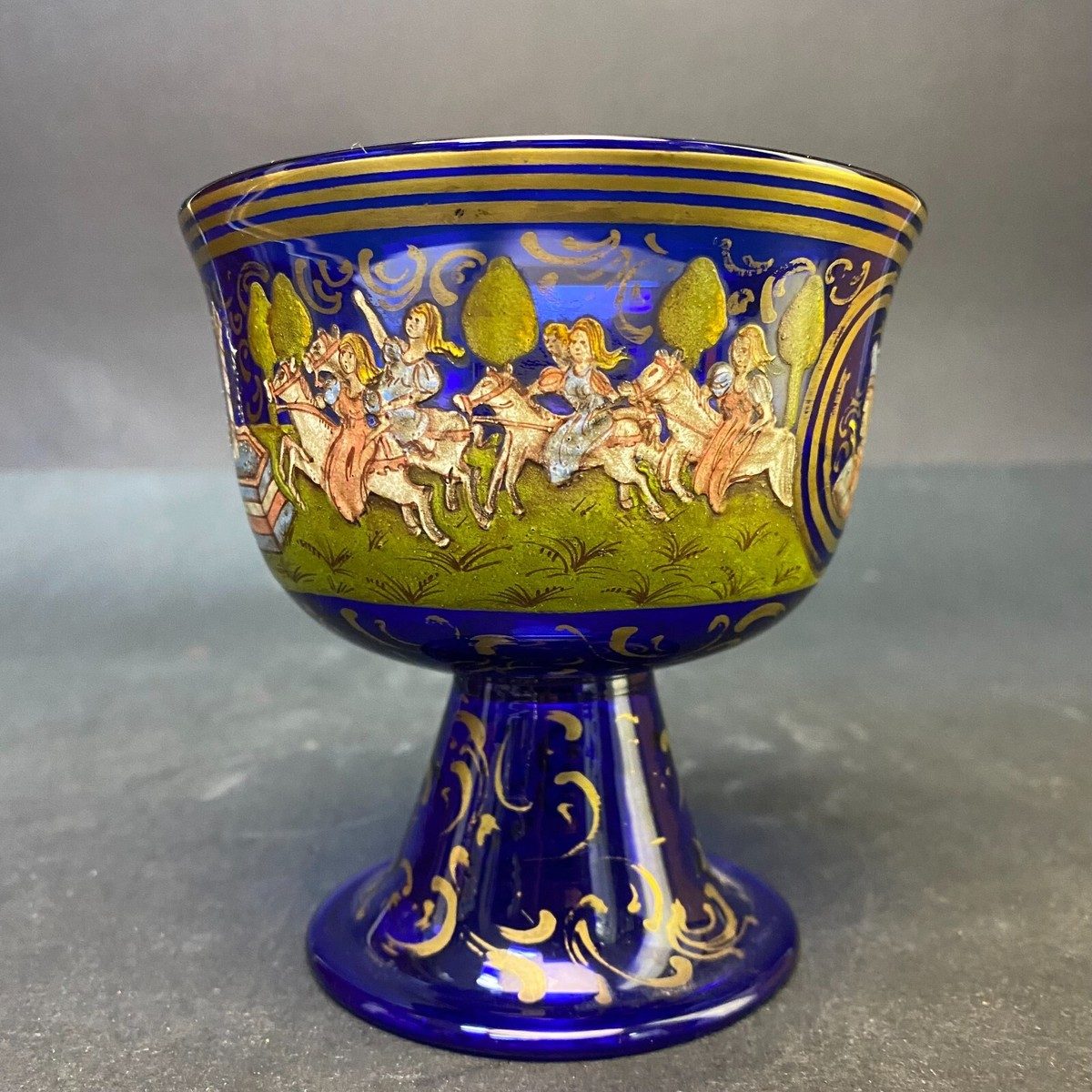
A celebrated 15th-century enameled blue glass cup, this piece is one of the museum's most significant Renaissance-era treasures.
Look for the intricate figurative enamel work around the cup's exterior.

This wing houses modern sculptural works that demonstrate unconventional shaping and color applications by 20th-century glass masters.
Examine the varied surface textures achieved through experimental cooling processes.
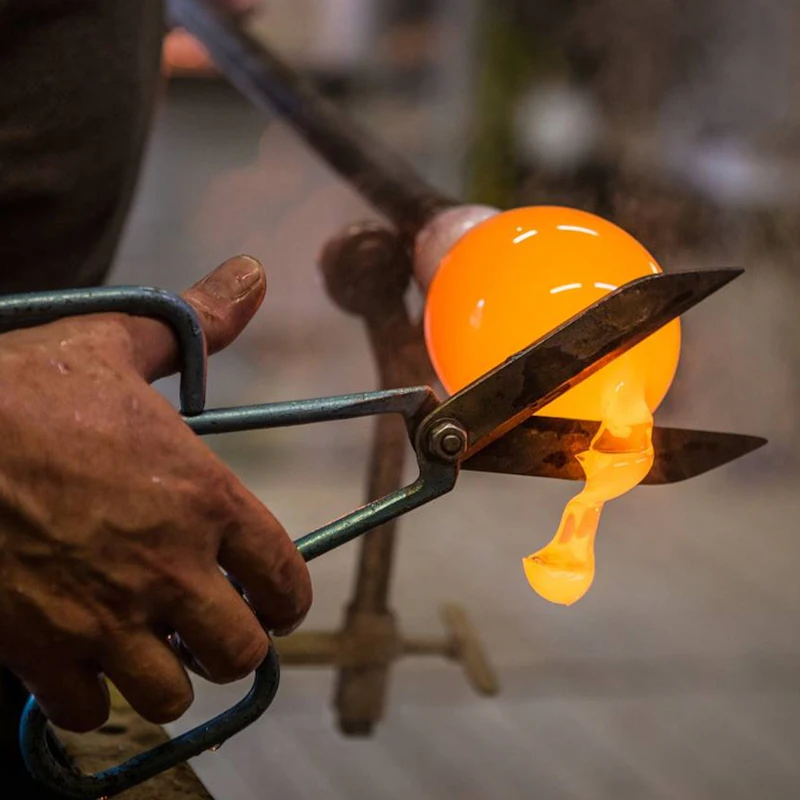
While the museum focuses on artifacts, nearby partner workshops offer insight into current production methods.
Visit during the morning to watch artisans shape molten glass.
Everything you need to know about glass blowing venice island