Glass Blowing Venice
Tours & tickets

Hand-picked by our editors — only the best 5 experiences from 12 reviewed.

Open today 09:30–16:30
Attendance: Moderate — autumn season
Arrive by 16:00 to ensure entry before the last daily glass blowing venice class demonstration.
Instant confirmation Mobile voucher Free cancellation Verified partner Skip-the-line
Tickets

Choose your ticket

Verified partners for every tour, free cancellation where available, and instant confirmation on every booking.

Murano Glassblowing & Burano Island Tour from Venice 5 hr 30 min
Standard Entry

Murano Glassblowing & Burano Island Tour from Venice

★ 4.5 (8459)
€29
per person
Instant Mobile voucher Flexible — change up to 24h

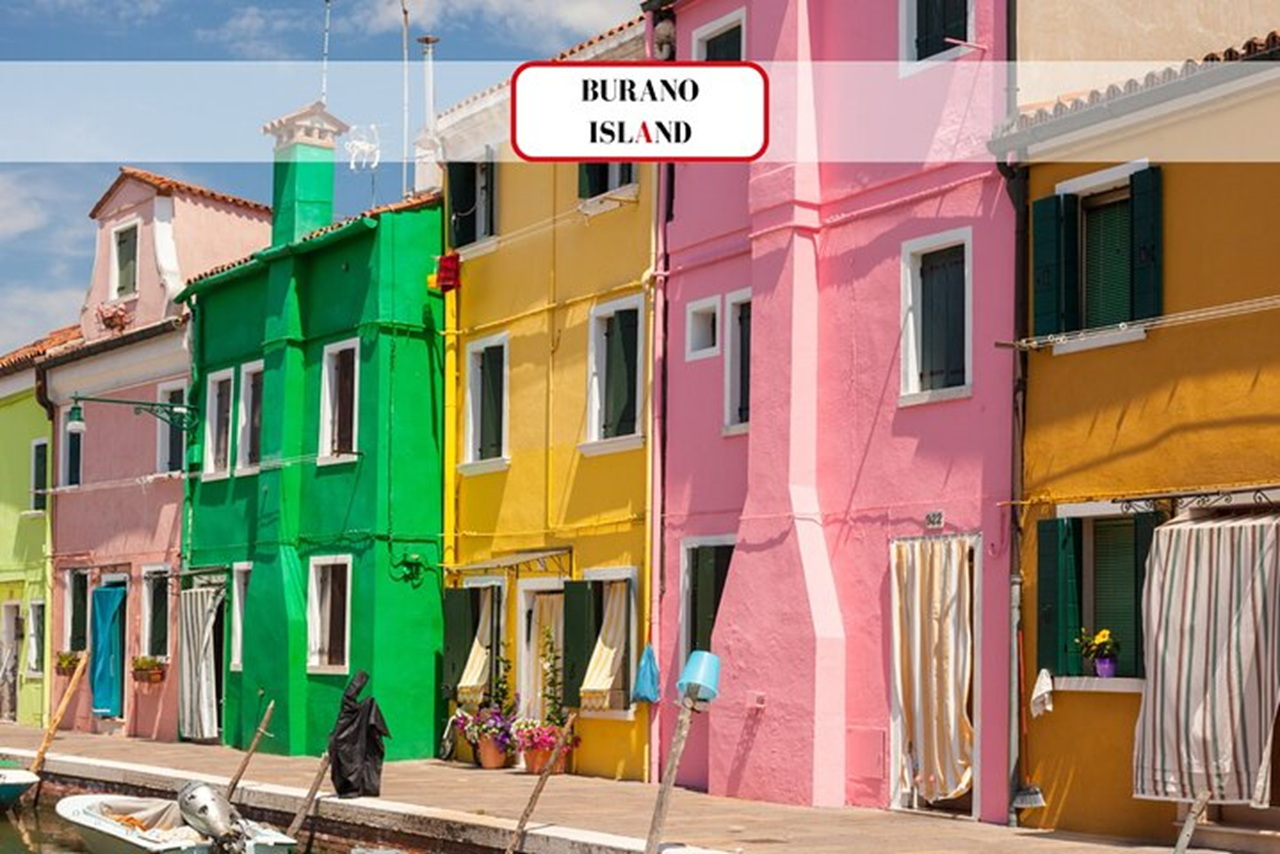
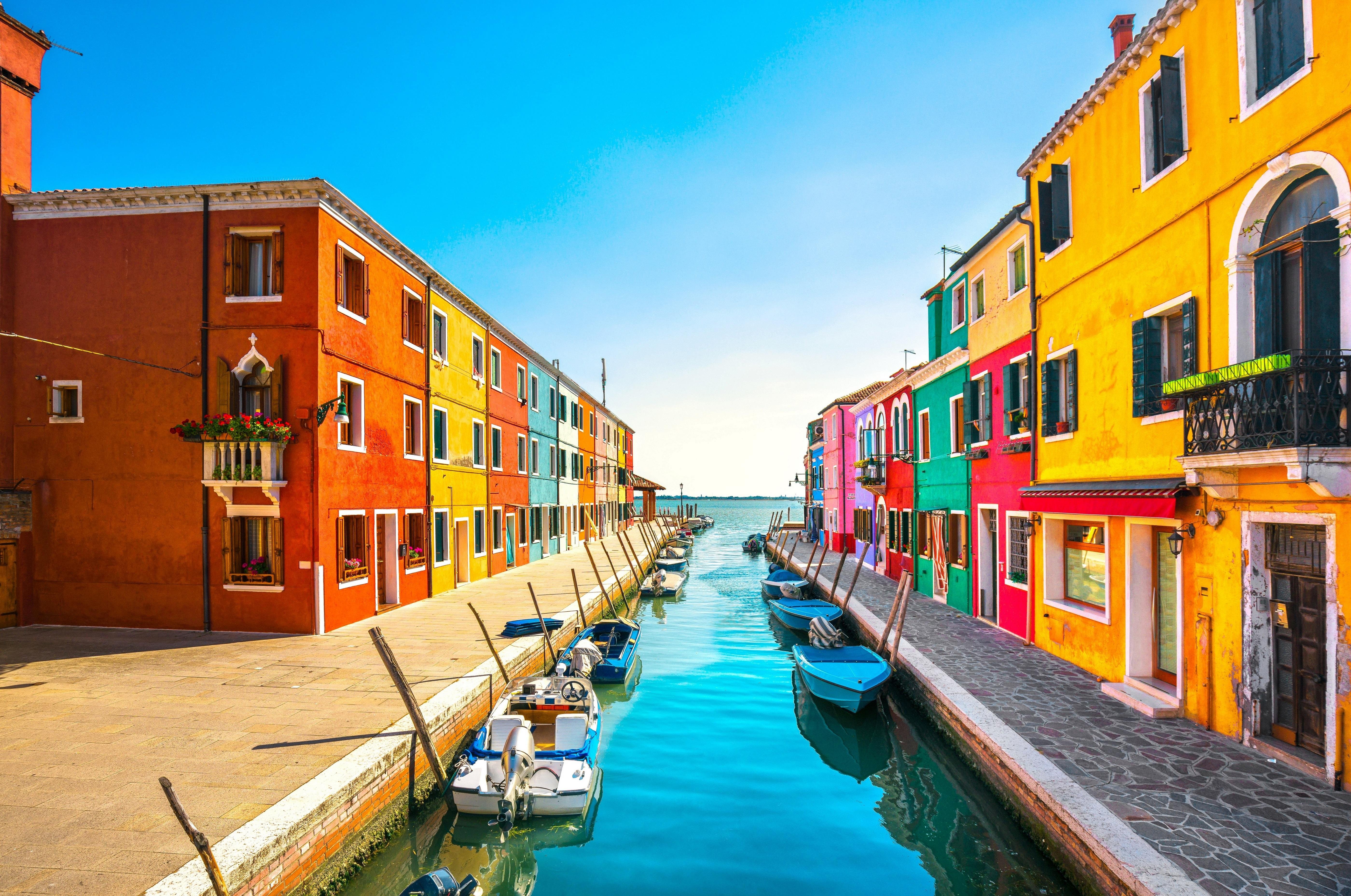
Cruise to Murano and Burano to watch master glassblowers, stroll rainbow-colored streets, and learn lacemaking traditions

Reserve
Murano & Burano Islands Private Boat Tour with Glass & Lace Demos 5 hr
Luxury / Private

Murano & Burano Islands Private Boat Tour with Glass & Lace Demos

★ 4.7 (7509)
€49
per person
Instant Mobile voucher Flexible — change up to 24h

Discover Venice's artisan islands by private boat with glassblowing and lacemaking demonstrations

Reserve

Prices from verified partners. Availability updates in real time at checkout. Free cancellation policies apply where shown.

What you'll do

Inside a tour, step by step

  1. 01 30 min

    Arrival

    Travel by vaporetto to Murano Faro stop and reach the glass factory.

Highlights

What you'll see inside the attraction

The landmarks, rooms, and views travelers on this tour remember — all visible on a single visit.

The Furnace Floor

Witness the intense 1100°C heat as master glassmakers manipulate molten glass with traditional iron tools. The experience demonstrates the skill required for authentic Murano creations.

The Glass Modeling Show

See the creation of the classic glass horse, showing sculptural techniques passed down through generations. This is a highlight of a glass blowing venice class.

The Showroom Gallery

Admire hundreds of finished works, from delicate vases to grand chandeliers, showcasing the variety of Murano's art. Items seen here represent the final result of the blowing process.

The Historical Foundation

Learn how the 1291 relocation of furnaces to Murano shaped the island's unique craft culture. Every glass blowing venice class provides context on this history.

The Finishing Workshop

Discover the secondary processes like annealing and grinding that transform a glowing, raw glass piece into a polished work of art.

Head to head

Glass Blowing Venice Class or Factory Demonstration — Which Experience Suits You?

A glass blowing venice class offers active involvement for those seeking to learn the craft, whereas a factory demonstration provides a convenient, passive look at the island's traditional furnace methods.

Feature Top pick Hands-on Workshop Factory Demonstration
Level of engagement
Passive observation
Skill acquisition
None
Duration
20–45 minutes
Cost
5 EUR (varies by operator)
Physical activity level
None
Outcome
Knowledge of local heritage

Verdict: Choose a glass blowing venice class tour if you want to craft your own souvenir, or opt for glass blowing venice class tickets to a demonstration if you prioritize observing master artisans at work.

How your ticket works

Book your ticket in 3 steps

  1. 01

    Book online

    Choose your ticket, select your date, and reserve in under two minutes. Secure checkout handled by our verified partner.

  2. 02

    Receive your mobile voucher

    Instant confirmation by email, with a mobile voucher you can save offline. No printing, no queuing at a collection desk.

  3. 03

    Show & enter

    Arrive at the entrance, show your voucher on your phone, and walk in. Most tickets include priority or skip-the-line access.

Plan your visit

Everything you need to know before you go

Practical details for your visit straight from our verified partners — hours, access, rules, and how to get there.

Open today · 09:30–16:30
Opening hours
09:30–16:30
Address
Murano, 30141 Venice, Italy
Best arrival window
09:30–16:00
Official site
https://originalmuranoglass.com
Phone
+39 041 7794323
Mon
09:30–16:30
Tue
09:30–16:30
Wed
09:30–16:30
Thu
09:30–16:30
Fri
09:30–16:30
Sat
09:30–16:30
Sun
09:30–16:30
Main entrance

Original Murano Glass

Fondamenta San Giovanni dei Battuti 4b, Murano

Report to the gallery entrance for your glass blowing venice class.

Address
Murano, 30141 Venice, Italy
Official site
https://originalmuranoglass.com
Phone
+39 041 7794323

How to get there

🚆
Public transport · 30-45 mins · Approx. 9.50 EUR for one-way ticket

Take ACTV lines 3, 4.1, or 4.2 to 'Murano Faro' stop.

🚆
Water Taxi · 20-30 mins · Varies by operator

Private or shared water taxi provides direct access to factory docks.

Dress code

Wear comfortable, closed-toe shoes suitable for walking and workshop environments. Avoid loose clothing that could get caught near furnace equipment during your glass blowing venice class.

Bags & security

Keep personal belongings minimal during your glass blowing venice class, as space near the furnaces is limited. Most workshops provide safe storage areas for bags while you observe or participate.

Photography

Photography is generally encouraged during a glass blowing venice class, though you should avoid using flash near the molten glass. Please ask your master glassmaker for permission before filming the production of specific artworks.

Accessibility

Some historic furnaces have limited accessibility for guests with physical disabilities due to uneven flooring and heat. Check with your specific glass blowing venice class provider regarding mobility aids.

What to bring

  • Comfortable shoes
  • Water bottle
  • Sun protection
  • Reservation confirmation
  • Camera
  • Small bag

Not allowed

  • Open-toed shoes
  • Large backpacks
  • Flammable clothing
  • Unsecured jewelry
  • Loose scarves
  • Smoking materials
  • Alcohol
  • Excessive luggage
  • Dangerous chemicals
  • Sharp objects

Families & strollers

Families are welcome, though children must be supervised closely due to extreme heat and heavy machinery. Age restrictions for a hands-on glass blowing venice class often start at 12 years old.

Food & drink

Consuming food and drink inside the active furnace area is prohibited for safety reasons. Most glass blowing venice class tours suggest hydrating before and after the session.

Meeting point

Where to find us

Original Murano Glass

Fondamenta San Giovanni dei Battuti 4b, Murano

Report to the gallery entrance for your glass blowing venice class.

Get directions
Around your visit

Everything else worth knowing

Best time to go, insider tips, nearby landmarks, and the cancellation fine print — flip through to skim what matters to you.

Best time to visit

How crowds, weather, and events shift across the year.

Spring

Mild temperatures make the walk between furnace workshops pleasant and comfortable. Expect moderate crowds compared to summer peak season.

Summer

Expect high temperatures in the furnaces; early morning is essential for a glass blowing venice class. Peak tourist traffic occurs mid-day.

Autumn

Cooler air makes the heat of the furnace more bearable during a glass blowing venice class. Ideal for peaceful island strolls.

Winter

Furnaces offer a warm refuge from the cold lagoon air. Fewer crowds allow for more personalized attention from master glassmakers.

Helpful tips for your visit

Small details that turn a good visit into a great one.

Book early

Reservations for a popular glass blowing venice class often fill up weeks in advance during peak months.

Nearby landmarks

Non-bookable sights within a short walk — free to visit, easy to pair.

Museo del Vetro

5 min walk

Explore seven centuries of Murano glassmaking history in this former bishop's palace.

Cancellation policy

Flexible, no hidden fees.

Reservations for a glass blowing venice class can typically be cancelled up to 24 hours before the scheduled time for a full refund. Please verify specific terms with your chosen operator.

Where to stay

Hotels & districts near the attraction

Hand-picked options within walking distance — pick a district for vibe, or a specific hotel for convenience.

Murano District

N/A
Mid-range

Several charming guesthouses offer peaceful stays on the island away from Venice crowds.

About

The place, in context

Murano's furnaces have burned without interruption since 1291, when the Venetian Republic moved every glass workshop to the island to contain fire risk and guard trade secrets. The decree transformed a minor lagoon settlement into Europe's undisputed center of glassmaking, a position it has never relinquished. Today's maestri vetrai descend from guild families whose techniques—lattimo opacity, zanfirico spiral canes, sommerso layering—remain closely held intellectual property, passed from master to apprentice in workshops that occupy the same campi their ancestors built seven centuries ago. A glass blowing Venice class typically begins with a live demonstration rather than hands-on instruction. Factory tours grant access to working furnaces where temperatures reach 1,400 degrees Celsius, hot enough to liquefy quartz sand, soda ash, and lime into the viscous material Murano is known for. Visitors watch as a maestro gathers molten glass on the end of a five-foot blowpipe, rotates it against a marver to achieve even temperature distribution, then inflates the mass with controlled breaths while shaping it with wooden paddles and steel jacks. The entire sequence—from gather to finished goblet—unfolds in under six minutes, constrained by the narrow working window before the glass cools past malleability. Most demonstrations conclude with a finishing pass through the annealing oven, where pieces spend twelve hours cooling at a controlled rate to prevent thermal stress fractures. The island's output extends well beyond tourist trinkets. Murano chandeliers illuminate La Fenice opera house and the Doge's Palace. The Barovier family, whose lineage traces to 1295, pioneered cristallo—the first truly transparent glass in Western history—and continues to produce museum-quality works today. Adjacent showrooms display contemporary art glass alongside reproductions of Renaissance vessels, evidence of an unbroken seven-century design continuum. Many tours pair the glass factory visit with a vaporetto crossing to Burano, where lace-making traditions complement Murano's vitreous heritage. Access is straightforward. The island sits thirty minutes by water bus from Fondamente Nove, with most workshops concentrated along Fondamenta dei Vetrai. Entry to demonstrations carries a nominal fee at some venues, though many factories offer complimentary viewings to encourage showroom sales. Morning visits avoid the midday tour-group surge that can reduce a nuanced craft demonstration to a rushed spectacle.

"The decree transformed a minor lagoon settlement into Europe's undisputed center of glassmaking, a position it has never relinquished."
Your experience

What a tour day looks like

A step-by-step walkthrough of the visit — what you'll see, how long each stage takes, and the details that matter.

You board the vaporetto at Fondamente Nove, watching Venice's terracotta rooftops recede as the boat cuts northeast across the lagoon. Thirty minutes later, you step onto Murano's Colonna dock, where the scent of burning oak and the distant clang of metal tools signal proximity to the furnaces. You follow Fondamenta dei Vetrai past showroom windows displaying goblets in cobalt, amber, and oxblood red until you reach a factory entrance marked only by a brass plaque. Inside, the temperature climbs fifteen degrees. A maestro stands before an open furnace aperture, gathering a slug of molten glass onto his blowpipe. He rotates the pipe against a steel table, checks the gather's symmetry, then inflates it with three measured breaths. The glass expands into a luminous orange sphere. He works quickly—wooden paddles flatten the base, steel jacks crimp the rim—and within four minutes a recognizable vase emerges. He taps the piece free, and an assistant carries it to the annealing oven on a metal fork. The demonstration lasts twelve minutes. You're handed a catalog before exiting into the showroom. Outside, you consider the vaporetto schedule. Burano sits twenty minutes farther north, its lace museum closing at five. You have time for both islands if you leave Murano by three.

Frequently asked

Frequently asked questions about glass blowing venice class tours

What are the opening hours for a glass blowing venice class?

Most workshops, such as Original Murano Glass, are open daily from 09:30–16:30.

Is there an entrance fee for a glass blowing venice class?

While some demonstrations are free, many workshops charge a 5 EUR fee which may be credited toward store purchases.

Can I just walk in for a glass blowing venice class?

Booking is highly recommended for any glass blowing venice class to guarantee your spot, though some venues accept walk-ins if space permits.

Are children allowed at a glass blowing venice class?

Yes, but they must be supervised due to extreme heat, and hands-on glass blowing venice class participants generally must be at least 12 years old.

What is the best time for a glass blowing venice class?

Arriving between 09:30–16:00 is recommended to avoid mid-day crowds and ensure you catch a demonstration.

Is photography allowed during my glass blowing venice class?

Yes, non-flash photography is generally welcome during your glass blowing venice class, provided you respect the working area.

How do I reach the glass blowing venice class location?

The factory is located in Murano; take the vaporetto to the 'Murano Faro' stop and follow signs to Fondamenta San Giovanni dei Battuti.

Is a glass blowing venice class accessible for wheelchairs?

Some locations have limited accessibility; please contact the specific operator of your glass blowing venice class in advance.

Can I cancel my glass blowing venice class tickets?

Most operators offer full refunds for a glass blowing venice class if you cancel at least 24 hours prior to the scheduled time.