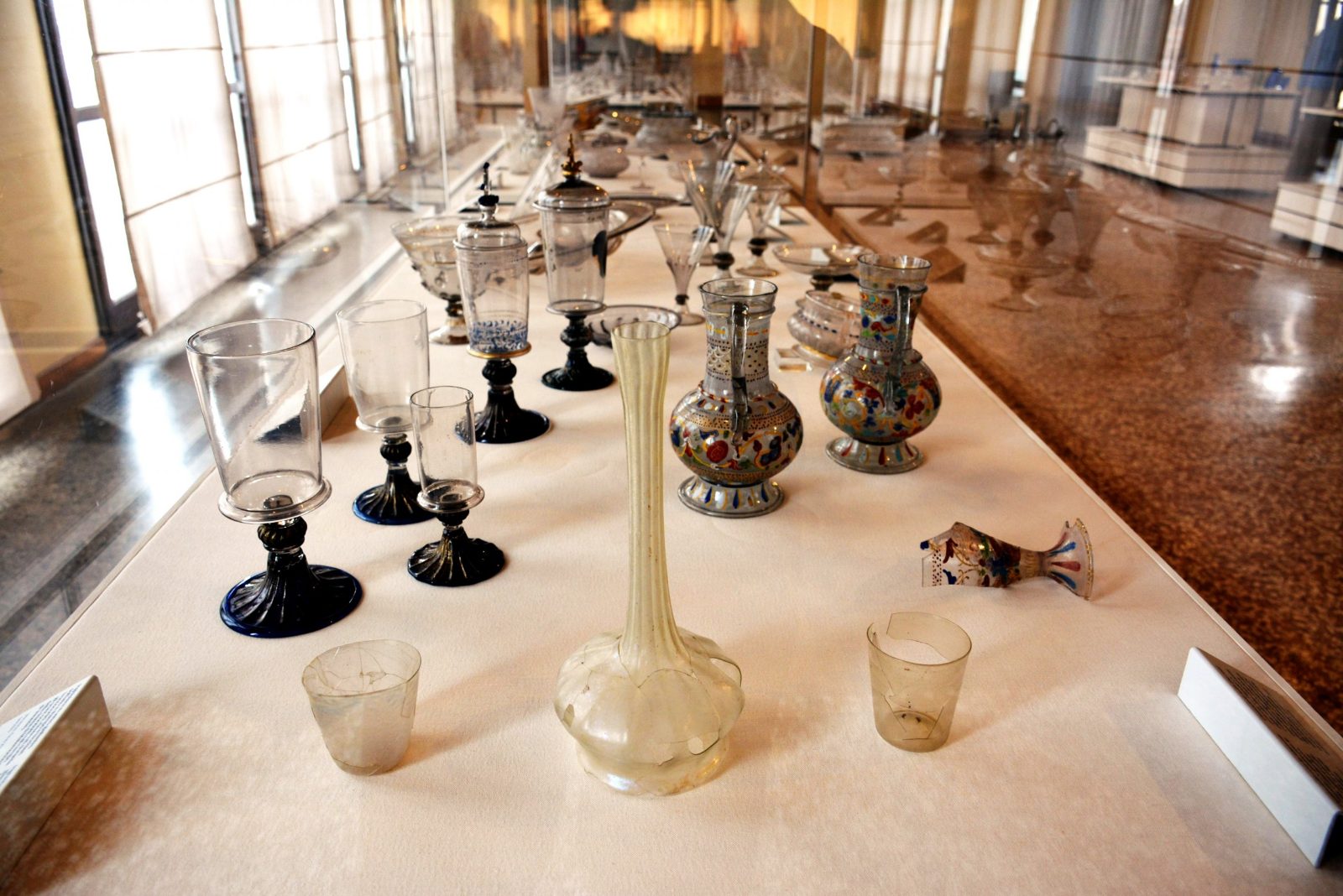
Archaeological Collection
Features ancient Roman glass fragments and early Venetian pieces that demonstrate the foundation of local craftsmanship.
Observe the varying degrees of glass opacity and texture.

The glass that made Venice synonymous with luxury and craft originates not in the city itself but on a small island north across the lagoon. Murano became the designated home of Venetian glassmaking in 1291, when the Republic ordered all furnaces moved offshore to protect wooden buildings from fire. That decree transformed an island into a guarded workshop and its artisans into keepers of jealously protected trade secrets.
Quick answer
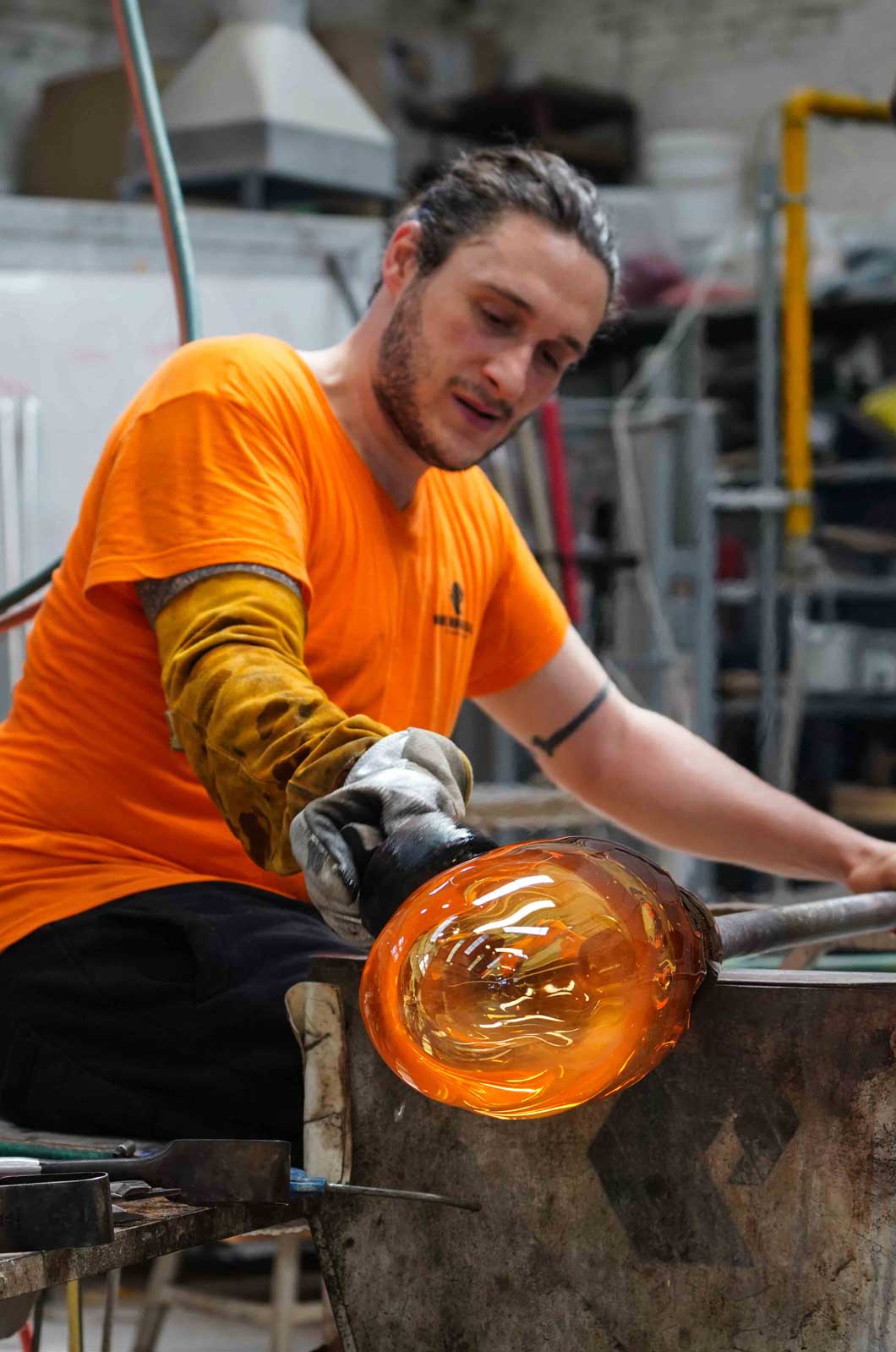
Famous glass from Venice comes exclusively from Murano, a lagoon island where glassblowing furnaces have operated since the late 13th century. The Republic of Venice confined all glass production there in 1291 to reduce fire risk, creating a concentrated community of master craftsmen whose techniques—cristallo clarity, lattimo milk glass, and aventurine flecked with copper—remained state secrets for centuries. Today visitors can trace this heritage at the Murano Glass Museum, open daily from 10:00 to 17:00 with admission at 15 EUR.
In 1291 the Venetian Senate issued a decree that would define an industry for seven centuries: every glass furnace in the city must relocate to Murano. The stated reason was fire prevention—wooden structures and open flames made uneasy neighbors—but the move also allowed the Republic to control and protect its most profitable export. Glassmakers lived under strict travel restrictions; leaving without permission meant exile or worse. In return they received guild privileges, tax exemptions, and social status unusual for craftsmen. Their daughters could marry into noble families. Their sons inherited formulas that could not be written down. The techniques developed on Murano between the 15th and 17th centuries remain benchmarks of the craft. Cristallo, a soda-lime glass of unprecedented clarity, rivaled rock crystal and made Murano the supplier to European courts. Lattimo, an opaque white glass imitating Chinese porcelain, answered demand when direct trade with Asia remained unreliable. Aventurine, shimmering with suspended copper crystals, appeared by accident in a workshop and became a signature effect no other region could replicate. Filigree canes, millefiori patterns, and enamel painting on glass all emerged from this concentrated quarter-mile of workshops, each innovation closely guarded until industrial espionage or defection carried it abroad. The Murano Glass Museum, housed in Palazzo Giustinian since 1861, chronicles this trajectory from medieval utility to Baroque extravagance. Its collection spans Roman-era fragments through 20th-century studio work, but the core narrative is the Republic-era pieces: goblets with gilt networks, reliquary caskets, and trade beads destined for African and Asian markets. The museum opens at 10:00 daily; arriving between 10:00 and 11:30 ensures a quieter visit before vaporetto traffic peaks and tour groups fill the exhibition halls. A walk through Murano's active foundries afterward—several offer demonstrations—connects the museum's historical objects to the living tradition that still defines the island. Famous glass from Venice is not a relic industry. Furnaces on Murano operate under the same conditions that shaped the craft: silica sand, soda ash, lime, and continuous heat. What changed is the context. The Republic no longer enforces secrecy, and global competition ended the monopoly centuries ago. But the concentration of skill, the oral transmission of technique, and the expectation that a master glassblower will spend a decade learning to control a gather of molten glass—all of that persists. The chandeliers, sculptural forms, and beads produced today descend directly from the problem-solving and material experiments conducted when Murano glass furnished palaces across Europe.
“Glassmakers lived under strict travel restrictions; leaving without permission meant exile or worse.”
In 1291, the Venetian Republic issued a decree that would define the trajectory of famous glass from venice for centuries: all glass furnaces were relocated to the island of Murano. The official reason was fire safety—Venice's wooden structures made furnace fires catastrophic—but the move also created a controlled environment where the state could protect trade secrets and prevent master glassmakers from emigrating. Artisans lived under strict surveillance; leaving Murano without permission was punishable by death, and families of defectors could be imprisoned. This enforced isolation transformed Murano into Europe's undisputed center of luxury glass production by the fourteenth century. The fifteenth century brought cristallo, a breakthrough formula developed around 1450 by Angelo Barovier that produced glass of unprecedented transparency. Unlike the greenish, bubbly glass common elsewhere, cristallo rivaled rock crystal in clarity, making Murano goblets and mirrors coveted across European courts. Barovier's innovation relied on purified pebbles from the Ticino and Adige rivers, combined with Levantine soda ash and manganese dioxide as a decolorizing agent. The Venetian government classified the formula as a state secret. By 1500, Murano controlled seventy percent of Europe's fine glass trade, exporting chandeliers to Versailles, lattimo milk glass imitating Chinese porcelain, and aventurine glass embedded with copper crystals that simulated goldstone. Murano's monopoly began eroding in the seventeenth century when defecting glassmakers established rival workshops in Bohemia and England, but the island remained synonymous with ornamental excellence. The industry collapsed during Napoleon's occupation and the fall of the Republic in 1797, then revived in the mid-nineteenth century under companies like Salviati, which supplied mosaics for Paris's Opéra Garnier. Today, the Museo del Vetro on Fondamenta Giustinian preserves over four thousand pieces spanning seven centuries, including Barovier's original cristallo works and Renaissance marriage cups. Active furnaces still operate along the canal, where visitors watch maestri shape molten silica using techniques codified in the fifteenth century.
Venetian Republic orders all glass furnaces moved to Murano to prevent fires and safeguard trade secrets.
Angelo Barovier develops cristallo, a transparent glass formula that revolutionizes European luxury markets.
Murano controls an estimated seventy percent of Europe's fine glass trade, exporting to royal courts.
Defecting Murano glassmakers establish rival workshops in Bohemia and England, eroding Venice's monopoly.
Napoleon's conquest and the fall of the Venetian Republic devastate Murano's glass industry.
Antonio Salviati revives Murano glassmaking, supplying mosaics to major European architectural projects.
The Museo del Vetro opens in Palazzo Giustinian to document and preserve Murano's glass heritage.
The Murano Glass Museum houses a vast collection detailing the artistic progression of Venetian glass through the centuries. These displays highlight the technical mastery and aesthetic shifts that defined the island's production.
Features ancient Roman glass fragments and early Venetian pieces that demonstrate the foundation of local craftsmanship.
Observe the varying degrees of glass opacity and texture.
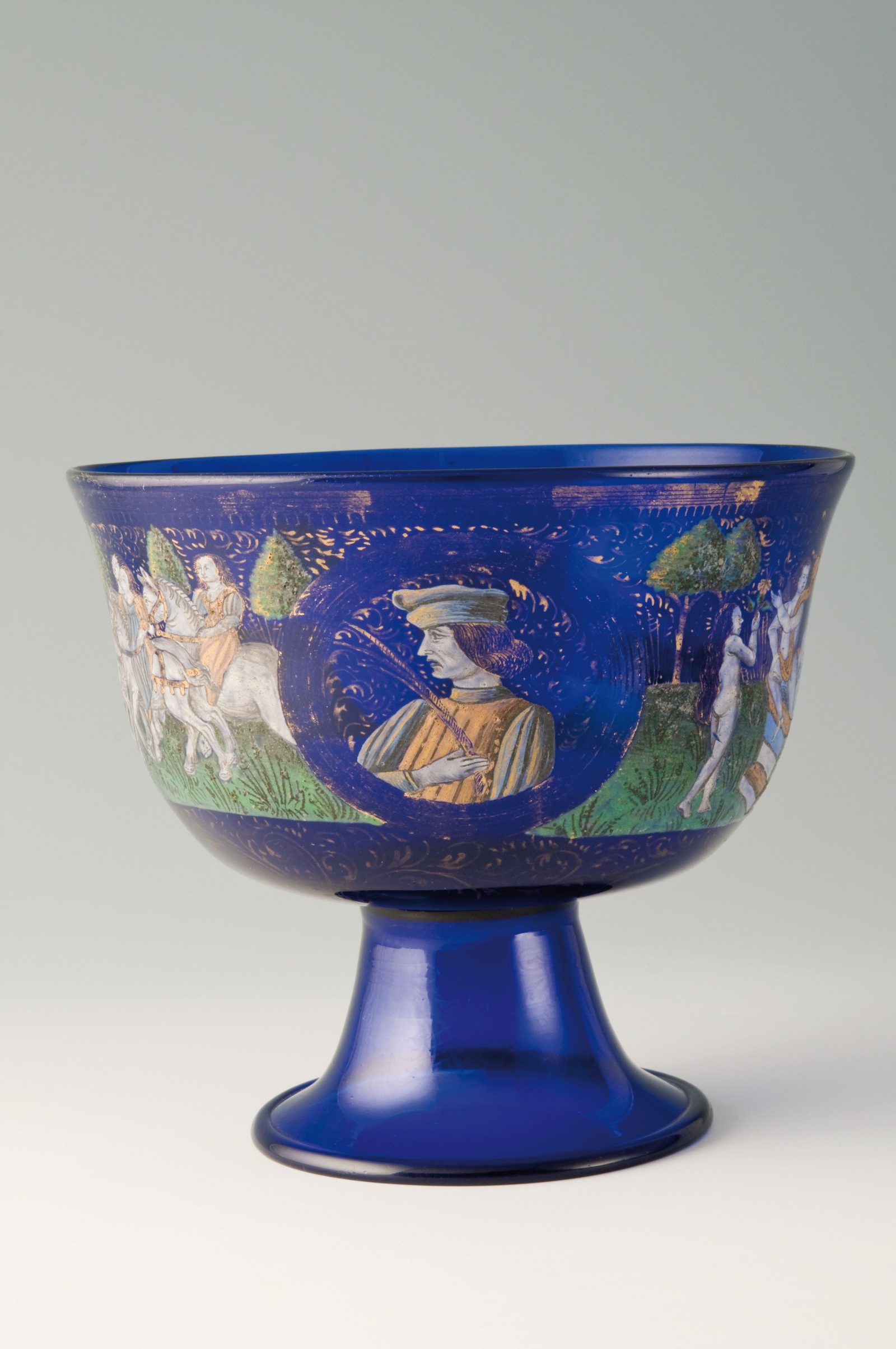
A famous 15th-century enameled blue glass masterpiece attributed to Angelo Barovier.
View from multiple angles to appreciate the delicate enamel work.
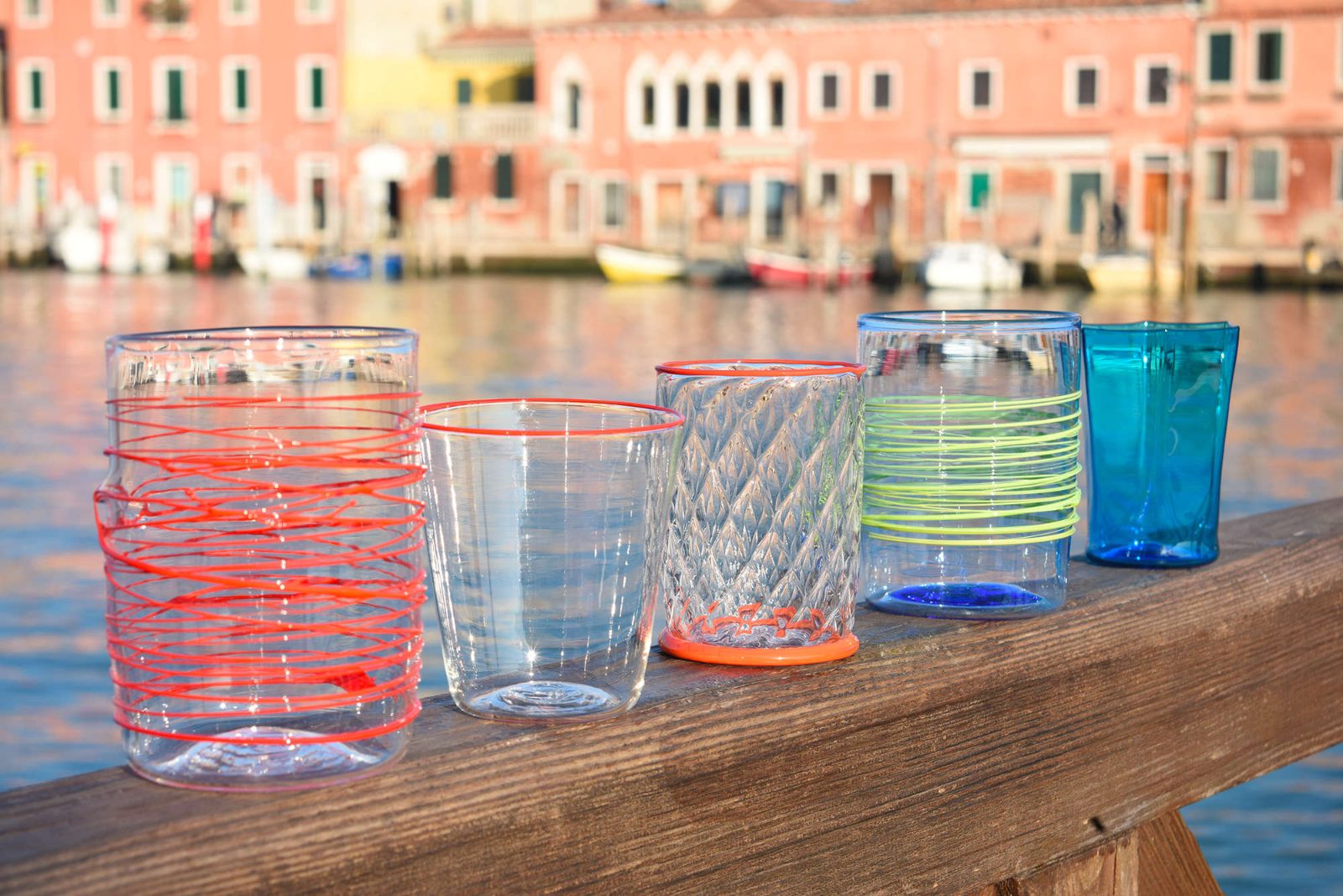
Exhibits utilitarian vessels and functional objects produced for historical Venetian households.
Look closely at the handle shapes and rim reinforcements.
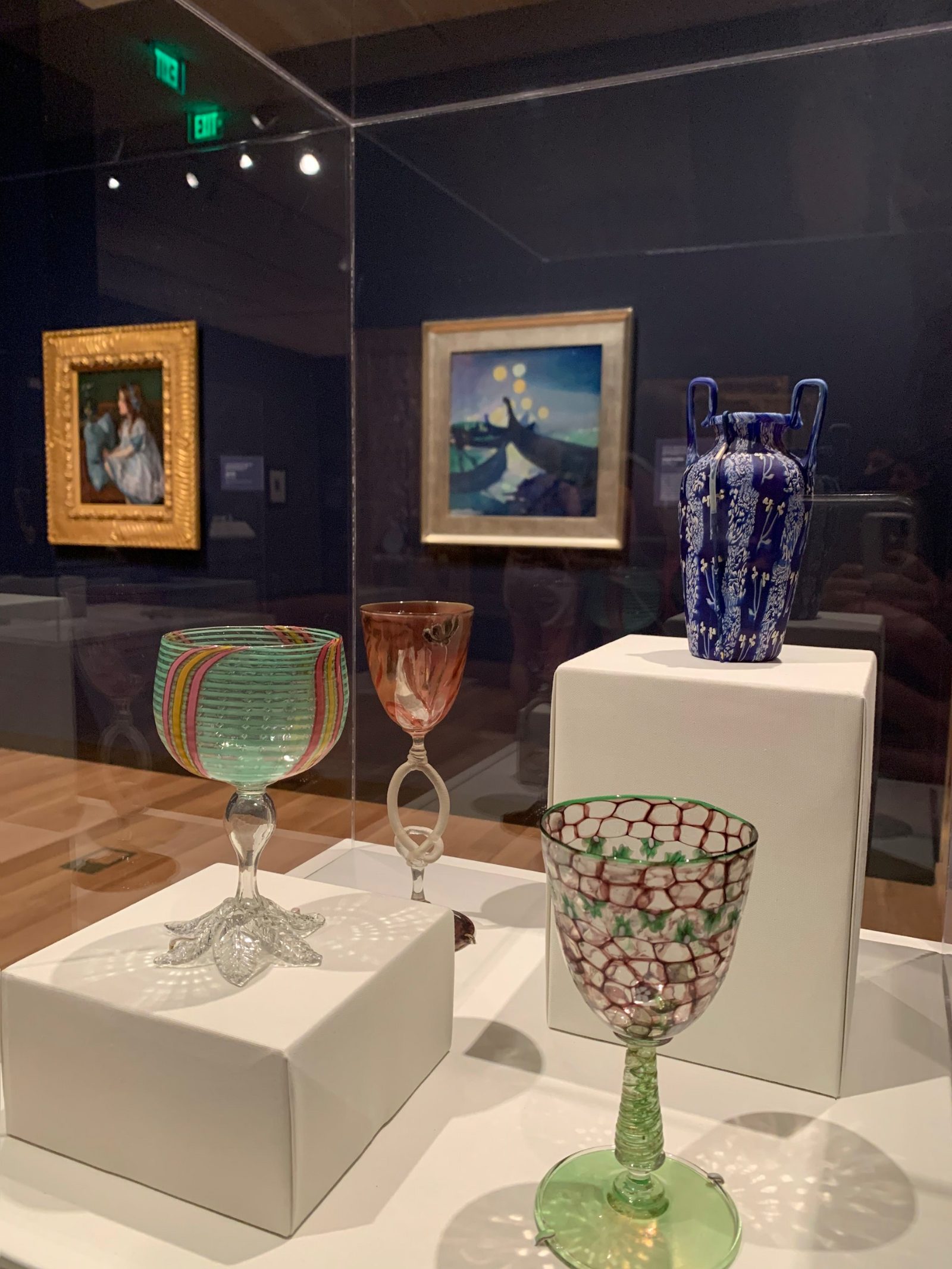
Showcases modern interpretations and experimental forms created by 20th and 21st-century masters.
Note the contrast between traditional shapes and modern color palettes.
The craft of Murano glass is defined by specialized techniques and a unique historical mandate to protect industrial secrets. These practices have shaped the development of glassmaking for centuries.
In 1291, the Venetian Republic ordered all glassmakers to move their furnaces to the island of Murano to mitigate the risk of fire in the city center. This move effectively confined the industry to a single geographic location.
Angelo Barovier is credited with inventing 'cristallo' in the mid-15th century. This was the first clear, colorless glass that could be manipulated into delicate shapes while remaining transparent.
The Council of Ten issued severe edicts, including the potential for the death penalty, to prevent glassmakers from leaving Venice. This policy ensured that proprietary technical knowledge remained strictly within the island's guilds.
The millefiori technique involves fusing cross-sections of patterned glass canes to create intricate floral designs. The process requires precise temperature control to maintain the geometric integrity of the internal patterns.
Developed in the 17th century, avventurina glass is created by suspending metallic copper particles within the molten glass. The result is a sparkling, reflective surface that resembles aventurine stone.
Filigrana glassmaking involves incorporating opaque white or colored glass threads into clear molten glass. These threads are carefully twisted and manipulated during the blowing process to create uniform, lace-like patterns inside the vessel walls.
The Murano Glass Museum maintains consistent daily operating hours throughout the week to accommodate visitors interested in the heritage of Venetian glass.
Everything you need to know about famous glass from venice
The craft originated from centuries of specialized furnace work and secret techniques developed by local artisans. These artisans transformed silica and minerals into the famous glass from venice, which remains globally recognized for its delicate craftsmanship and vibrant colors.
The Murano Glass Museum, or Museo del Vetro, preserves the heritage of these local glass-making traditions. It showcases historical pieces and explains the technical evolution of this legendary craft.
The entrance fee for museum admission is 15 EUR for a full price ticket. Visitors can purchase tickets directly at the entrance or through official online channels.
The best arrival window is 10:00–11:30 to avoid peak crowds and ensure a quiet experience. Arriving during this period helps you enjoy the displays of famous glass from venice before the island becomes congested with daily visitors.
The museum admission fee covers access to the historical collections and exhibitions housed within the palace. While the museum displays the heritage of the craft, specialized glass blowing workshops are often hosted by independent furnace studios nearby.
Yes, the museum is located in a historic palace and is equipped to welcome visitors interested in learning about the heritage of glass-making. It provides comprehensive information on the evolution of famous glass from venice.
The museum is located at Fondamenta Marco Giustinian, 8, 30141, Murano, Venice, Italy. It sits conveniently near the main water bus stops that serve the island.